
4-Point Inspection Corrections & Repairs
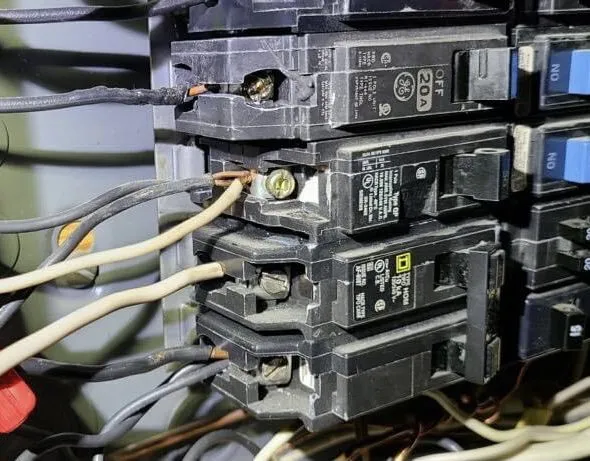
If a 4-point inspection flagged your roof, electrical, plumbing or HVAC, your insurer can refuse to write or renew the policy until those items are fixed. On a home sale, that can hold up the buyer’s insurance and the closing. Tactical Construction Group manages the corrections on the report so the home can be re-inspected. We work across the Tampa Bay region: Hillsborough, Pasco and Pinellas counties.
Send us your 4-point report or call (727) 992-1900.
What a 4-point inspection checks
A 4-point inspection is a specialized inspection typically performed on homes, particularly older homes, to assess the condition of four key components: the roof, electrical system, plumbing system, and HVAC (Heating, Ventilation, and Air Conditioning) system. These inspections are often required by insurance companies when they underwrite or renew homeowners’ insurance policies. The purpose of a 4-point inspection is to assess the risk associated with these critical components of the home. If the report notes a hazard or deficiency, the buyer’s insurer may require the correction before it writes the policy, which can hold up a financed sale. That's where Tactical Construction Group comes in.
An insurer can decline a new application, and may decline to renew, over a hazard or deficiency noted on a 4-point report. Fixing what the report notes is part of keeping the home insurable.
Roof
The inspector will assess the overall condition of the roof, including its age, the type of roofing material used, any visible damage or wear, and any signs of leaks or water damage.
Electrical system
This part of the inspection focuses on the electrical wiring, panels, and components of the house. The inspector checks for potential safety hazards, outdated or faulty wiring, and any signs of electrical problems.
Plumbing system
The inspector examines the plumbing system to identify potential issues such as leaks, corrosion, or outdated plumbing materials. They may also check for the functionality of fixtures and piping.
HVAC system
The heating, ventilation, and air conditioning system are evaluated to ensure it is in good working condition. The inspector may look for signs of wear and tear, assess the age of the system and whether it is in good working order, and check for any safety concerns.
It’s important to note that a 4-point inspection is not as comprehensive as a full home inspection. It focuses specifically on these four key areas and is often requested by insurance companies to assess the risk they may be taking on by providing insurance for an older home. If significant issues are found during the inspection, the insurance company may require repairs or upgrades to mitigate the risks, or they may adjust the terms of the insurance policy accordingly. If your report covers more than these four systems, see our home inspection repairs page.
Why homes fail a 4-point inspection
Citizens Property Insurance treats a system as acceptable when it works as intended and shows no visible hazards or deficiencies. These are the items its 4-point form asks the inspector to record.
Roof problems
- Little remaining useful life for the roof’s age and material
- Cracking, cupping or curling, or excessive granule loss
- Missing, loose or cracked shingles or tiles, or exposed felt
- Soft spots in the decking
- Signs of leaks in the attic or on interior ceilings
Electrical problems
- Cloth wiring or active knob-and-tube wiring
- Single-strand aluminum branch wiring. Any remediation needs separate documentation certified by a licensed electrician.
- Double taps, over-fusing or breakers of the wrong size
- Exposed, loose or scorched wiring, improper grounding, or corrosion
- Amperage that is not enough for the home’s current use
Plumbing problems
- No temperature and pressure relief valve on the water heater
- Signs of an active or prior leak
- Unsatisfactory connections at fixtures and appliances, such as the water heater, washer, dishwasher, toilets and sinks
- Pipe type and age. The form records whether the lines are original or re-piped, and whether they include materials such as galvanized, cast iron or polybutylene.
HVAC problems
- Heating or cooling that is not in good working order
- A blocked or leaking condensate line or drain pan, or water damage around the air handler
- A space heater as the primary heat source
How we correct a failed 4-point inspection
- Send us the report. Share the 4-point report and its photos. Realtors can submit inspection and addendum scopes through our realtors page.
- We scope and price the corrections, item by item, against what the report flagged.
- Licensed trades do the licensed work. Florida law requires a general contractor to subcontract electrical, plumbing, air-conditioning and roofing work to contractors licensed in those trades, unless it holds that trade license itself. When you hire us as the general contractor, you sign one contract with us. We bring in the licensed trades and manage their work.
- Keep the records for re-inspection. The 4-point form asks what was updated, when, and by whom. Keep the invoices and permits from the work to hand to your inspector.
Buying or selling a home?
A failed 4-point inspection can stop a buyer from getting insurance, which can delay the closing. If you are working to a closing date, start the corrections as soon as the report comes back. Agents can see how we support transactions on our realtors page.
4-point inspection questions
How long is a 4-point inspection good for?
Citizens Property Insurance requires the 4-point report to be dated within the 12 months before a new-business application is submitted. A few cases, such as lender-placed coverage, use a shorter window. Other insurers set their own rules, so ask your agent what window they accept.
Which homes need a 4-point inspection?
Citizens requires a 4-point inspection on new applications for homes more than 20 years old, and on renewals only when its underwriting asks for one. Private insurers set their own age limits.
How do I pass a 4-point inspection?
Deal with what the form looks for before the inspector arrives: fix active leaks, make sure the water heater has a temperature and pressure relief valve, have the HVAC serviced (the form asks for the last service date), and have a licensed electrician correct panel hazards like double taps or wrong-size breakers. Know your roof's age, and keep records of past updates, because the form asks what was updated, when, and by whom.
Who can perform a 4-point inspection?
The form must be completed, signed and dated by a verifiable Florida-licensed professional, such as a general, residential or building contractor, a building code inspector, or a home inspector. A licensed trade professional, like an electrician, may sign off only on the section for their own trade.
This page is general information, not insurance or legal advice. Your insurer’s underwriting rules decide what must be corrected.
Your Project is Our Top Priority
Start a project or Request an Appointment today and we promise to help you with every construction issue you may have!